THIS IS THE BEST NEWS WE COULD HOPE FOR: Everton FC midfielder Jack Grealish shocked whole English premier League {EPL} world with a selfless act that transcends the game of EPL. signing his contract Jack Grealish made the bold and compassionate decision to donate his entire $25 million sign….see more
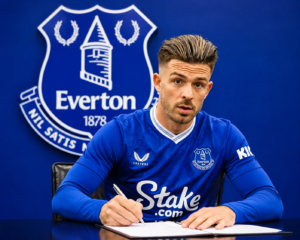
Fresh from signing a lucrative new contract with Everton FC, Grealish stunned fans, teammates, pundits, and football executives alike by announcing that he would donate his entire $25 million signing bonus to charitable causes. The imagined gesture immediately became one of the biggest talking points across the English Premier League, with millions praising the midfielder for putting humanity ahead of personal wealth.
According to this fictional story, Grealish explained that football had already given him more than he could ever have dreamed of. Having enjoyed years of success at the highest level, he believed the time had come to give something meaningful back to communities in need.
“I’ve been fortunate throughout my career,” Grealish is imagined as saying. “Football has changed my life completely. If this money can change the lives of thousands of families, then that’s where it belongs.”
Those words quickly spread across social media, inspiring football supporters around the world. Fans from rival clubs—often divided by fierce competition—found common ground in celebrating an act of extraordinary generosity.
The fictional donation would reportedly be distributed across several charitable initiatives. A significant portion would support children’s hospitals, ensuring young patients receive improved medical care and life-saving treatments. Another large share would be invested in youth football academies located in disadvantaged communities, giving talented youngsters access to coaching, equipment, education, and opportunities they might otherwise never receive.
Education would also play a central role in the imagined project. Scholarship programs would help students from low-income families pursue university degrees and vocational training. Schools in underserved areas would receive funding for classrooms, libraries, science laboratories, and sports facilities, creating environments where young people could thrive both academically and athletically.
Mental health services would also benefit from the fictional donation. Recognizing the growing importance of emotional well-being, Grealish’s charitable initiative would fund counseling programs, community support centers, and awareness campaigns designed to help young people facing anxiety, depression, and other mental health challenges.
Food insecurity would be another priority. Community food banks would receive funding to provide nutritious meals for struggling families, while homeless shelters would gain additional resources to expand accommodation and support services for vulnerable individuals.
Within this fictional narrative, Everton players were reportedly amazed by Grealish’s decision. Several teammates described him as someone whose generosity matched his footballing talent. They believed his actions would inspire others across the sport to think differently about their influence and responsibilities.
The coaching staff also expressed admiration, noting that while Grealish’s creativity and technical ability would strengthen the squad on the pitch, his compassion would strengthen the culture within the dressing room.
Everton supporters embraced the story wholeheartedly. Thousands gathered outside the club’s stadium, waving scarves and banners celebrating not only the club’s newest midfielder but also the values he represented. Chants echoed through the streets, praising Grealish as both an exceptional footballer and an exceptional human being.
Football legends and television pundits, in this imagined scenario, were equally impressed. Many argued that while goals and trophies are eventually forgotten, acts of kindness can inspire generations. Several former players suggested that Grealish’s fictional donation would become one of the defining moments of modern football history.
Across the Premier League, rival clubs acknowledged the remarkable gesture. Fans who normally reserved their admiration exclusively for players wearing their own club’s colors applauded Grealish’s compassion. Social media platforms became flooded with messages of respect, with hashtags celebrating generosity, unity, and giving back trending worldwide.
Charitable organizations also welcomed the announcement. Hospital administrators, youth coaches, educators, and community leaders all spoke about the life-changing difference such funding could make. New medical equipment, improved learning environments, safer sports facilities, and expanded social programs would all become possible through the imagined contribution.
The story also sparked a wider conversation about the role of elite athletes in society. Modern footballers earn enormous salaries, but they also possess enormous platforms capable of influencing millions. In this fictional account, Grealish’s decision encouraged discussions about philanthropy, community leadership, and the positive impact that sporting icons can have beyond the football pitch.
Young supporters found particular inspiration in the story. Coaches and parents used the example to teach children that success is measured not only by talent but also by kindness, humility, and generosity. Football academies emphasized that developing good character should be just as important as improving technical ability.
Supporters around the world imagined how many lives could be transformed through the donation. Hospitals could save more lives, schools could educate more students, struggling families could receive essential support, and aspiring footballers could chase dreams that once seemed impossible.
Although championships remain the ultimate goal for every club, stories like this fictional one remind people that football’s greatest victories sometimes occur far away from stadiums. They happen in hospitals where children recover, in classrooms where students discover new opportunities, and in communities where hope replaces hardship.
For Everton FC, such an act would represent far more than a successful transfer. It would symbolize a commitment to compassion, unity, and community values that extend beyond ninety minutes on the pitch. The club’s supporters would undoubtedly take immense pride in knowing that one of their players had become a symbol of generosity throughout the football world.
As the new season unfolded in this fictional narrative, Grealish would undoubtedly remain focused on helping Everton achieve success in the Premier League. Every assist, every goal, and every match-winning performance would be celebrated, but many would argue that his greatest contribution had already been made before kicking a ball in an Everton shirt.
Ultimately, the imagined story serves as a reminder that football possesses an extraordinary ability to unite people. While trophies eventually gather dust and records are eventually broken, acts of kindness continue to inspire long after the final whistle.
If such an event were ever to happen in reality, it would undoubtedly rank among the greatest examples of sportsmanship and generosity the football world had ever witnessed. It would prove that true greatness is defined not only by brilliance on the pitch but also by compassion, humility, and a willingness to improve the lives of others.













Post Comment