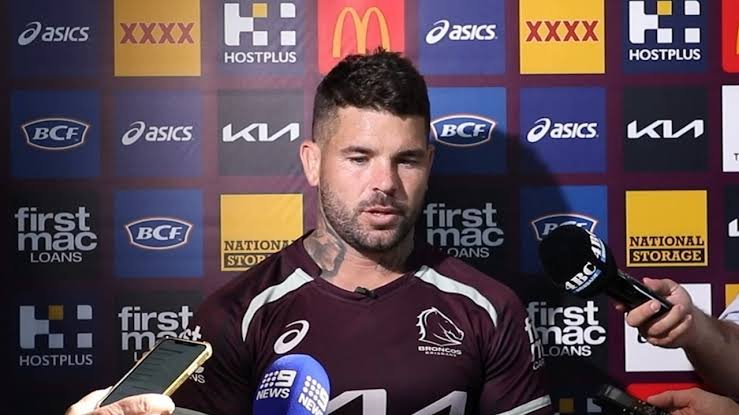
BOMBSHELL ANNOUNCEMENT: Leeds United FC defender Jayden Bogle has been banned and suspended from sport activities as he was cought sleeping with….see more

To understand how such systems work in English football, it is important to look at how governing bodies like the English Football League (EFL), the Premier League, and the Football Association (FA) operate. These organizations enforce codes of conduct that apply to players, coaches, and clubs, including those at teams such as Leeds United FC.
—
The Governing Structure Behind Football Discipline
English football discipline is not controlled by clubs alone. Instead, it is shared between multiple institutions:
The Football Association (FA): Oversees the sport nationally and handles misconduct, betting violations, doping cases, and serious disciplinary breaches.
The Premier League: Manages discipline within its competition, including on-field conduct and club compliance.
The English Football League (EFL): Governs leagues below the Premier League, including the Championship, where clubs like Leeds United often compete depending on promotion or relegation.
Each of these bodies has a rulebook that defines what constitutes misconduct and what penalties can be imposed.
—
Types of Offences That Can Lead to Suspensions
Suspensions in football are not random—they are triggered by specific categories of violations. These include:
1. On-Field Violations
This is the most common cause of suspension.
Accumulation of yellow cards
Straight red cards for dangerous tackles
Violent conduct (e.g., elbowing, fighting, or serious foul play)
Denying a clear goal-scoring opportunity
For example, a player receiving multiple yellow cards across matches may receive a one-match ban automatically.
—
2. Off-Field Misconduct
The FA also regulates behavior outside matches, including:
Public misconduct that brings the game into disrepute
Social media violations
Abuse of officials or opponents
Breaches of club or league rules
These cases often require investigation and hearings before a decision is made.
—
3. Betting and Integrity Violations
One of the most serious categories involves gambling-related offences. Players are strictly prohibited from:
Betting on football matches
Sharing insider information
Influencing match outcomes
Violations in this category can lead to long-term bans, sometimes lasting years.
—
4. Doping and Drug Violations
Anti-doping rules are enforced by UK Anti-Doping (UKAD). Players may be suspended if:
Banned substances are found in their system
They fail to provide samples
They refuse testing procedures
Sanctions can range from months to multiple years depending on severity.
—
How the Suspension Process Works
Contrary to sensational headlines, suspensions are rarely immediate unless it is a straight red card. Most disciplinary cases follow a structured process:
Step 1: Incident Reporting
Referees, match officials, or anti-doping officers submit reports after an incident.
Step 2: Review by Governing Body
The FA or league reviews footage, evidence, and statements.
Step 3: Charge Issued (if necessary)
If a breach is suspected, the player is formally charged.
Step 4: Response from Player or Club
The player may accept or contest the charge.
Step 5: Independent Commission Hearing
Serious cases go before an independent disciplinary panel.
Step 6: Decision and Sanction
The panel determines guilt and applies penalties such as fines, suspensions, or mandatory education programs.
—
Example: How Routine Suspensions Work in Practice
A common scenario is yellow card accumulation. In many English leagues:
5 yellow cards = 1-match suspension (early season threshold)
10 yellow cards = longer suspension period
Red card = immediate ban (length depends on severity)
These rules ensure consistency across competitions.
—
High-Profile Players and Discipline Awareness
Even established professionals must follow these rules strictly. Players such as Jayden Bogle are subject to the same disciplinary frameworks as any other professional footballer. Whether playing for clubs like Leeds United or other teams across the league system, regulations apply equally.
Clubs like Leeds United also maintain internal discipline systems that operate alongside league rules. This includes training ground conduct policies, media responsibilities, and lifestyle expectations for players.
—
Why False “Bombshell” Headlines Spread Online
Many sensational claims about bans or suspensions circulate on social media without verification. These headlines often:
Misinterpret rumors or jokes as facts
Use exaggerated language for attention
Lack official confirmation from governing bodies
Mix fictional storytelling with real player names
In modern football journalism, reputable news sources rely on confirmation from clubs, official league statements, or governing bodies before reporting disciplinary action.
—
Real Consequences of Actual Suspensions
When suspensions are genuine and officially confirmed, the consequences can be significant:
Loss of match fitness due to inactivity
Financial penalties or loss of bonuses
Damage to reputation and career progression
Impact on team performance and selection
Possible transfer complications
For clubs competing at high levels, even a single suspension can influence league standings, cup progress, or promotion chances.
—
Rehabilitation and Second Chances
Football disciplinary systems are not only punitive—they are also corrective. Depending on the offence, players may be required to:
Attend education programs
Participate in community service
Undergo counseling or professional guidance
Complete anti-doping awareness training
The goal is to reduce repeat offences and support player development.
—
Conclusion
Football suspensions in English football are governed by strict, well-documented systems involving the FA, Premier League, and EFL. While headlines often exaggerate or distort events for dramatic effect, the reality is procedural and evidence-driven.
Players at clubs such as Leeds United FC operate under these regulations throughout their careers, ensuring fairness and integrity across all levels of the sport. Understanding how these systems work helps separate factual disciplinary action from unverified rumors and sensational claims that frequently circulate online.









Post Comment