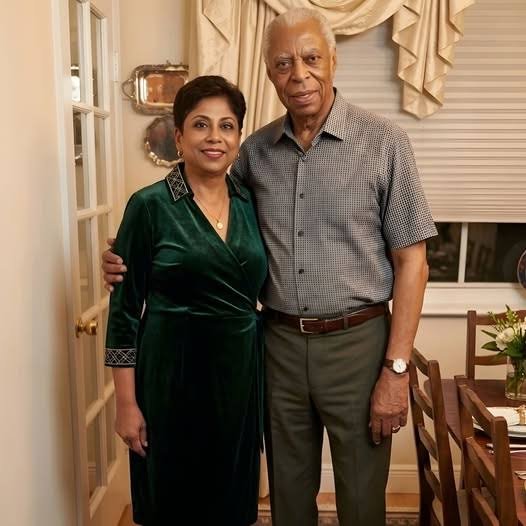
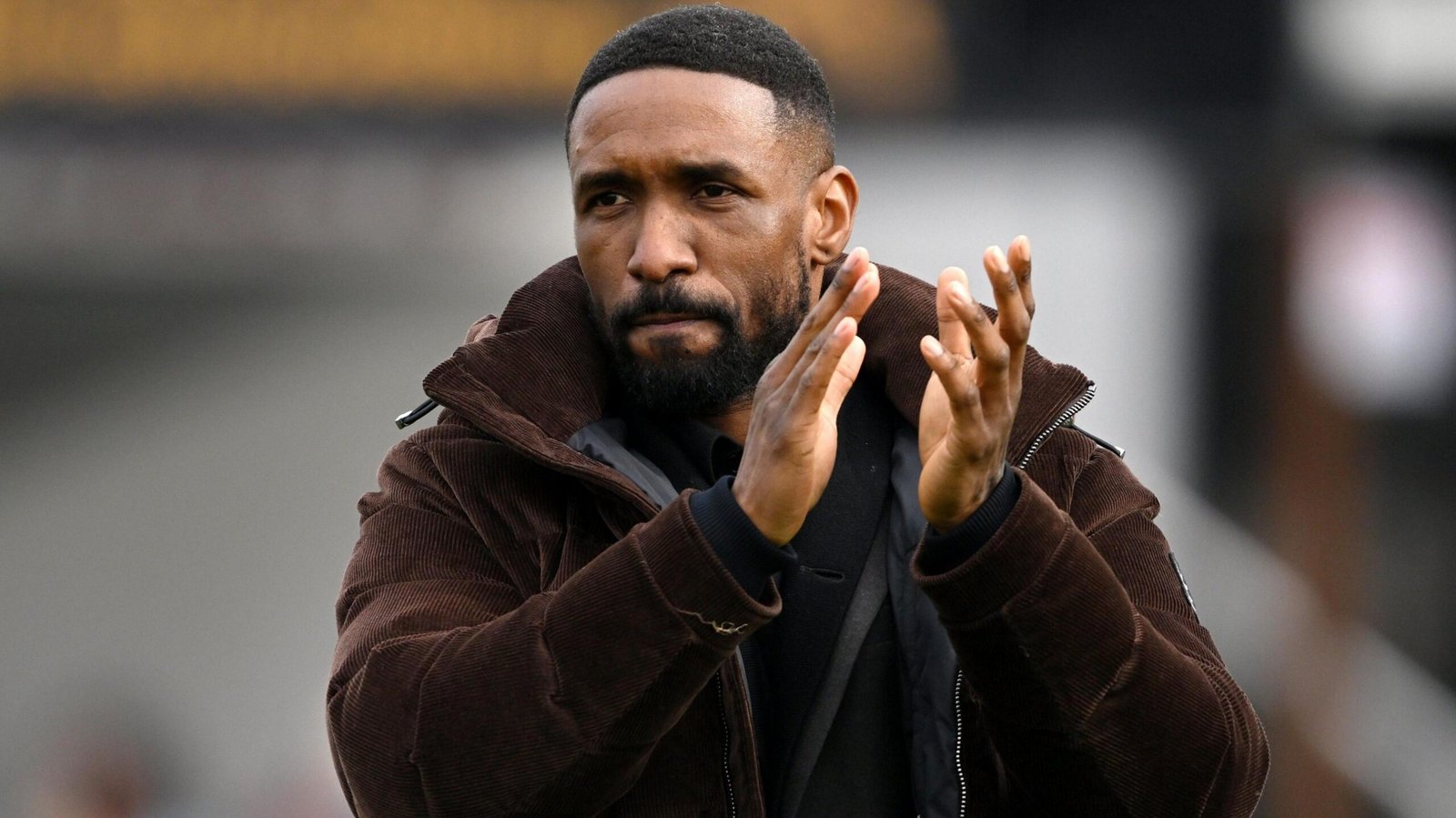
BOMBSHELL ANNOUNCEMENT: In a stunning development that has sent ripples across the cricket world. West Indies cricket wicket keeper Jos Buttler reportedly filed divorce with his wife Louise Buttler and explain on social media that she has been sleeping with….see more

The announcement arrived unexpectedly on a quiet Sunday morning where Buttler shared a heartfelt statement on social media. Fans across the globe were caught off guard by the news, especially considering the couple had long been viewed as one of the sport’s most admired partnerships.
“For some time, jos and I have been facing challenges in our relationship,” the statement read. “After many difficult conversations, we have mutually decided to move forward separately. This decision was not made lightly, and we ask for privacy and understanding as we navigate this chapter of our lives.”
Within minutes, the post had spread across social media platforms, generating millions of views and countless reactions from supporters, journalists, former players, and celebrities.
Many fans expressed sadness, remembering the numerous occasions on which Hartley had publicly credited his wife for helping him through the highs and lows of professional sport. Others praised the respectful tone of the announcement and called for the public to avoid speculation regarding the reasons behind the separation.
As discussions intensified online, sports networks interrupted regular programming to analyze the impact the news might have on Hartley’s cricketing future. Commentators debated whether the emotional strain of such a personal situation could affect his performances on the field.
Former teammates quickly rallied around the wicketkeeper.
“Daniel has always been one of the strongest individuals I’ve known,” said retired captain Michael Reeves during a television interview. “People see the athlete, but they sometimes forget that players are human beings. Everyone goes through difficult moments.”
Those close to the couple described the decision as painful but mature. Sources within Hartley’s circle indicated that the pair had spent months trying to resolve their differences before ultimately concluding that separation was the best path forward.
The couple’s story had once seemed like a fairytale.
They first met during a charity fundraising event more than a decade earlier. At the time, Hartley was an ambitious young cricketer hoping to establish himself on the international stage. Jos, meanwhile, was building a successful career in education and community outreach.
Friends recalled an immediate connection between the two.
“They just clicked,” one longtime friend explained. “You could tell from the beginning that there was genuine respect and admiration there.”
As Jos Buttler’s cricket career flourished, Emma became a constant source of support. She attended matches around the world and was frequently seen celebrating his achievements from the stands.
Whel scored his first international century, cameras captured an emotional moment between the couple after the match. The image quickly became one of the most memorable photographs of his early career.
Over the years, they appeared together at charity galas, sporting award ceremonies, and community events. Their relationship became a symbol of stability within a profession often characterized by constant travel and intense pressure.
However, as Jos Buttler’s fame increased, so did the demands placed upon the marriage.
International cricket schedules required him to spend months away from home each year. Long tours across multiple continents left little room for family life. Despite their efforts to remain connected, the physical distance began to take its toll.
Sports psychologists frequently point to travel as one of the greatest challenges faced by elite athletes and their families. Constant movement, media attention, and performance pressure can place extraordinary strain on personal relationships.
While Buttler and Louis rarely discussed private matters publicly, some observers noted that they had appeared less frequently together in recent years.
Still, few anticipated such a dramatic announcement.
The news immediately sparked widespread debate about the pressures of modern professional sport.
“Elite athletes live under a microscope,” one sports analyst explained. “Every result is scrutinized. Every interview is analyzed. Every personal decision becomes public discussion. Maintaining healthy relationships under those circumstances is incredibly difficult.”
Fans around the world responded with messages of support.
Social media platforms became flooded with comments encouraging Hartley to remain focused and strong. Many supporters praised both individuals for handling the situation with dignity.
One fan wrote: “Thank you for being honest and respectful. Wishing you both peace and happiness moving forward.”
Another added: “Cricket is important, but personal well-being matters more. Take all the time you need.”
The response highlighted a growing awareness within sports communities regarding mental health and emotional resilience.
In recent years, numerous athletes have spoken openly about the psychological challenges associated with professional competition. Issues that were once considered private have increasingly become part of broader conversations about athlete welfare.
Hartley himself had previously discussed the importance of mental health during interviews.
“Success isn’t just about what happens on the field,” he once said. “It’s about maintaining balance in every aspect of life.”
Those comments gained renewed attention following his announcement.
As media coverage intensified, cricket authorities urged journalists and fans to respect the privacy of everyone involved.
A spokesperson for the national cricket board released a brief statement expressing support for Hartley while emphasizing that personal matters should remain private.
“Our thoughts are with Daniel and his family during this challenging period. We ask everyone to respect their privacy.”
The statement was widely welcomed by supporters who feared excessive speculation could worsen an already difficult situation.
Meanwhile, attention began turning toward Hartley’s professional future.
With several major tournaments approaching, questions emerged regarding his availability and readiness for international competition.
Cricket experts offered differing opinions.
Some believed the emotional impact could temporarily affect his performance.
Others argued that sport might provide a valuable source of focus and stability during a turbulent period.
Former wicketkeeper Steven Marshall suggested Hartley could emerge stronger.
“Great athletes often find ways to channel adversity into motivation,” Marshall said. “Daniel has overcome challenges before, and I wouldn’t be surprised if he does it again.”
Training staff reportedly remained in regular contact with the player, ensuring he had access to counseling resources and emotional support.
Behind the scenes, teammates also played an important role.
Several squad members reportedly reached out personally, offering encouragement and friendship.
One teammate described the dressing room atmosphere as supportive and united.
“We’re a family,” he said. “When one of us is going through something difficult, everyone steps up.”
The situation also sparked discussion about how athletes navigate fame in the digital age.
Unlike previous generations, modern sports stars often communicate directly with millions of followers through social media. While this creates opportunities for connection, it also increases public scrutiny.
Every statement becomes headline news.
Every personal update attracts global attention.
For Hartley, the decision to address the situation publicly may have been an attempt to reduce speculation while maintaining transparency with supporters.
Experts noted that such announcements can help establish boundaries and discourage misinformation.
As days passed, public conversation gradually shifted from shock to reflection.
Many fans began sharing stories about relationships affected by demanding careers, travel schedules, and work-related pressures. The discussion evolved into a broader examination of work-life balance and personal well-being.
In that sense, Hartley’s announcement resonated far beyond the world of cricket.
It served as a reminder that even the most successful individuals face challenges away from the spotlight.
Achievements, trophies, and records may define careers, but they do not eliminate the complexities of everyday life.
For now, Hartley’s immediate future remains uncertain.
What is clear, however, is that he continues to receive overwhelming support from teammates, supporters, and members of the cricketing community.
Whether he returns to the field next week or takes additional time to focus on personal matters, many believe he has earned the right to make that decision on his own terms.
As the story continues to unfold, one lesson stands above all others: behind every athlete is a human being facing the same emotional realities experienced by millions of people around the world.












Post Comment