BOMBSHELL ANNOUNCEMENT: Everton FC midfielder Jack Grealish reportedly filed divorce with his wife Sasha Attwood and explain on social media that she has been sleeping with….see more

That was the situation facing one of the Premier League’s most gifted midfielders during what had become the most difficult season of his career.
For years, the talented playmaker had been regarded as the heartbeat of his club. His vision, creativity, leadership, and ability to dictate the tempo of matches made him indispensable. Fans celebrated his every assist, teammates relied on his calm presence, and pundits regularly described him as one of the league’s finest midfield talents.
Everything seemed to be going perfectly until a series of unfortunate events began to unfold.
The season started with enormous expectations. After signing a lucrative contract extension the previous summer, supporters believed their midfield general would once again inspire the club to challenge for major honours. Expectations were high from the very first match.
Unfortunately, football rarely follows the script.
Injuries disrupted his rhythm early in the campaign. Just as he regained fitness, the team entered a difficult run of fixtures against several title contenders. Results failed to improve, confidence dropped, and criticism quickly followed.
Every misplaced pass became a talking point.
Every defeat intensified the pressure.
Former players questioned his performances on television, while social media became flooded with opinions from every direction. Supporters debated whether he had lost his sharpness or whether the tactical system no longer suited his strengths.
The midfielder refused to respond publicly.
Instead, he continued arriving at the training ground before sunrise and leaving long after most of his teammates had returned home. Coaches admired his professionalism despite the difficult circumstances.
According to those close to the club, his determination never disappeared.
“He never stopped working,” one fictional member of the coaching staff explained. “Even when confidence was low, he wanted extra training sessions. He wanted to improve every single day.”
As weeks passed, rumours surrounding his personal life also began circulating online. Various unverified stories claimed that family issues were affecting his performances.
The midfielder chose not to comment.
His representatives repeatedly reminded supporters and journalists that everyone deserves privacy and respect away from football. The club also encouraged fans to avoid believing speculation that lacked credible evidence.
Inside the dressing room, teammates rallied around their experienced midfielder.
The captain praised his attitude.
Young academy players spoke about how generous he remained with advice and encouragement despite dealing with enormous pressure himself.
One teenager later described him as “the first player to congratulate me after my senior debut.”
That simple act reminded everyone that leadership extends beyond goals and assists.
The manager also defended his midfielder throughout the challenging period.
“He has been one of our most committed professionals,” the fictional manager told reporters. “Football is full of highs and lows. We win together, we lose together, and we support each other through difficult moments.”
Those words were warmly received by supporters.
Gradually, patience replaced frustration.
Fans who had once criticised him began appreciating the immense responsibility he carried every weekend.
Meanwhile, the midfielder quietly focused on rebuilding his confidence.
Extra gym sessions became routine.
Video analysis consumed hours each week.
Nutrition, recovery, and mental preparation all received increased attention as he searched for the form that had made him one of England’s most admired footballers.
Sports psychologists also worked alongside him, helping him develop techniques for handling pressure and ignoring constant online criticism.
Instead of becoming distracted by social media debates, he concentrated on controllable factors—training intensity, tactical awareness, and physical conditioning.
The turning point eventually arrived during a crucial Premier League fixture.
With his club trailing late in the second half, the midfielder produced a moment of brilliance.
Receiving possession just outside the penalty area, he calmly evaded two defenders before delivering a perfectly weighted through ball that led directly to the equalising goal.
Moments later, he scored the winner himself with a stunning strike into the top corner.
The stadium erupted.
Supporters who had questioned him only weeks earlier stood and applauded.
His teammates surrounded him in celebration.
The manager smiled with visible pride.
Although it was only one victory, it represented something much bigger.
It marked the beginning of a remarkable comeback.
Confidence returned.
Performances improved.
The assists started arriving once again.
Opposition managers praised his intelligence, while football analysts highlighted the resilience he had shown throughout the difficult period.
By the end of the campaign, the midfielder had helped guide his club back into European qualification.
More importantly, he had reminded everyone that setbacks do not define great athletes.
Resilience does.
In his fictional end-of-season interview, he reflected on everything he had experienced.
“There were difficult days,” he admitted. “People often see the ninety minutes on the pitch, but they don’t always see the hard work behind the scenes. Every challenge teaches you something if you’re willing to learn.”
His words resonated with supporters across the country.
Young footballers viewed him as an example of perseverance rather than perfection.
Former professionals praised the maturity he had displayed during months of intense scrutiny.
The story became less about football and more about resilience, professionalism, and character.
The midfielder entered the following season with renewed confidence.
His fitness had returned.
His smile was back.
Training sessions once again became filled with laughter and positivity.
Supporters unveiled a banner before the opening home match that simply read:
“Never Stop Believing.”
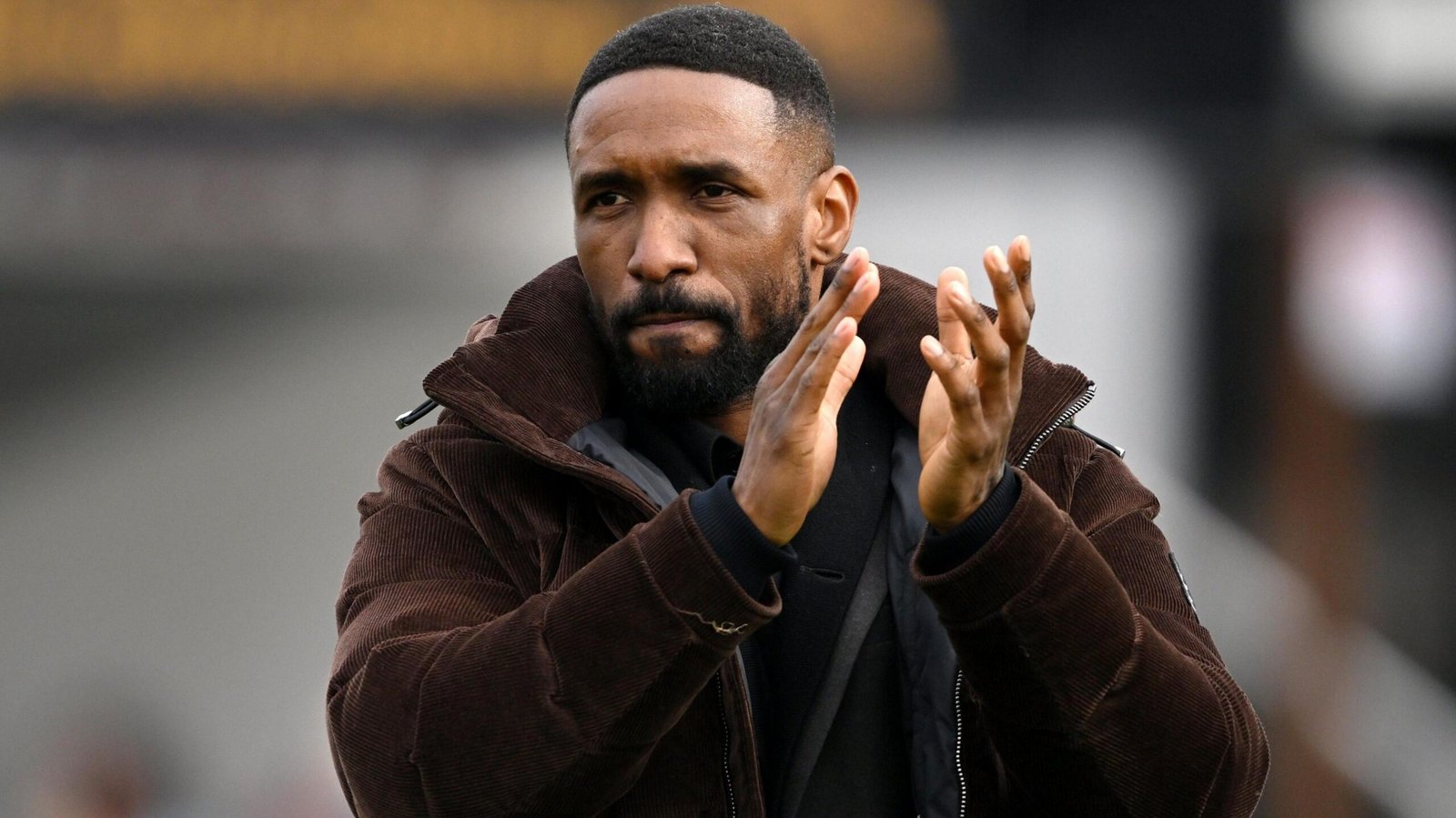
The emotional gesture visibly moved the player as he applauded every section of the stadium.
That afternoon, he delivered another outstanding performance, controlling midfield from the opening whistle until the final minute.
It served as a reminder that every career includes difficult chapters.
Champions are rarely remembered because life was easy.
They are remembered because they found the courage to keep moving forward when everything seemed to be working against them.
For this fictional Premier League midfielder, the toughest season of his career ultimately became the foundation for his greatest comeback.
His journey inspired teammates, supporters, and aspiring footballers alike, proving that success is not measured solely by trophies or statistics but also by determination, resilience, humility, and the willingness to rise again after adversity.
.











Post Comment