THIS IS THE BEST NEWS WE COULD HOPE FOR: Sunderland AFC midfielder Dan Neil shocked whole English premier League {EPL} world with a selfless act that transcends the game of EPL. signing his contract Dan Neil made the bold and compassionate decision to donate his entire $25 million sign….see more
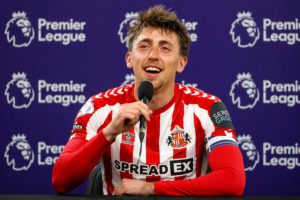
The announcement spread across social media within minutes, leaving supporters, fellow players, and football analysts amazed. While modern football is often dominated by discussions of transfer fees, wages, and sponsorship deals, Neil’s remarkable gesture shifted the conversation toward kindness, compassion, and giving back.
According to the fictional statement released by Sunderland AFC, Neil wanted his new contract to symbolize not only his commitment to the club but also his commitment to improving the lives of others.
“This club has given me everything,” Neil reportedly said. “The fans believed in me from the beginning, and I have always believed that success means nothing unless you can use it to help people who need it most.”
The fictional announcement immediately became one of the most talked-about stories in football. Fans flooded social media with messages praising the midfielder’s humility and generosity.
Born and raised in Sunderland, Neil has always been portrayed as someone deeply connected to his community. Having progressed through Sunderland’s academy, he understands the struggles many families face and the importance of local clubs in giving young people hope.
Rather than spending the money on luxury homes, expensive cars, or lavish holidays, Neil reportedly chose to establish several charitable initiatives. Among them was a fund supporting children’s hospitals, another providing scholarships for disadvantaged students, and a third helping grassroots football clubs improve their facilities.
The fictional charity plan also included investments in mental health services for young athletes. Neil explained that many promising footballers experience enormous pressure while pursuing professional careers, and he wanted to ensure they had access to proper support.
Community leaders welcomed the announcement with overwhelming enthusiasm.
“This is the kind of leadership every young person should see,” one fictional charity representative commented. “Dan Neil has shown that true greatness isn’t measured by goals or trophies—it is measured by the lives you change.”
Supporters outside the Stadium of Light reportedly gathered carrying banners thanking the midfielder not only for his performances on the pitch but for his generosity away from it. Some fans described him as “the pride of Sunderland.”
Football pundits across England also reacted positively, describing the decision as one of the most inspiring acts ever associated with a professional footballer. Television debates shifted away from transfer rumours and focused instead on the positive influence athletes can have on society.
Several fictional Premier League stars were said to have congratulated Neil publicly, praising his willingness to place community needs ahead of personal luxury.
According to the fictional report, the $25 million donation would be distributed among several important causes:
Children’s hospitals and healthcare programs.
Youth education scholarships.
Grassroots football development.
Mental health support initiatives.
Homelessness charities.
Food banks serving struggling families.
Community sports centres.
Disability inclusion programmes.
The announcement inspired fans to begin fundraising campaigns of their own. Across Sunderland, schools reportedly organised charity football matches, local businesses pledged donations, and supporters volunteered thousands of hours to community organisations.
One fictional fan summed up the mood perfectly.
“Dan Neil has always been our hero because of the way he plays. Today he became our hero because of the way he cares.”
Young footballers throughout the country found inspiration in the story. Coaches used Neil’s example to remind players that character matters just as much as talent.
Former players also applauded the fictional decision, noting that football possesses enormous power to create positive social change when athletes use their influence responsibly.
Sunderland AFC manager, in this fictional account, described Neil as “the perfect ambassador for our football club.”
“He represents everything we want Sunderland to stand for—hard work, humility, loyalty, and compassion.”
The club reportedly announced plans to partner with Neil’s charitable foundation, encouraging supporters and local businesses to participate in future community projects.
Meanwhile, charities expected to benefit from the donation spoke emotionally about the difference such funding could make. Children’s hospitals hoped to purchase advanced medical equipment, schools planned educational programmes, and community football clubs envisioned safer pitches and better facilities for aspiring players.
Football supporters from rival clubs also joined in praising the midfielder. In a sport often divided by fierce rivalries, Neil’s fictional gesture united fans across England, demonstrating that kindness can transcend competition.
Sports psychologists highlighted another important lesson from the story: athletes possess extraordinary platforms that can influence society positively. Acts of generosity from respected players often inspire countless others to contribute to charitable causes.
As the fictional story continued making headlines, many observers suggested that Neil’s legacy would extend far beyond football. Regardless of how many appearances he made or trophies he won, this act of generosity would define his reputation for years to come.
The Sunderland faithful, already proud of one of their own, found even more reasons to celebrate. For them, Neil had become the embodiment of the club’s spirit—loyal, hardworking, humble, and committed to helping the community.
Whether inside the Stadium of Light or beyond football altogether, his fictional decision served as a reminder that true success is measured not by wealth accumulated but by lives improved.














Post Comment