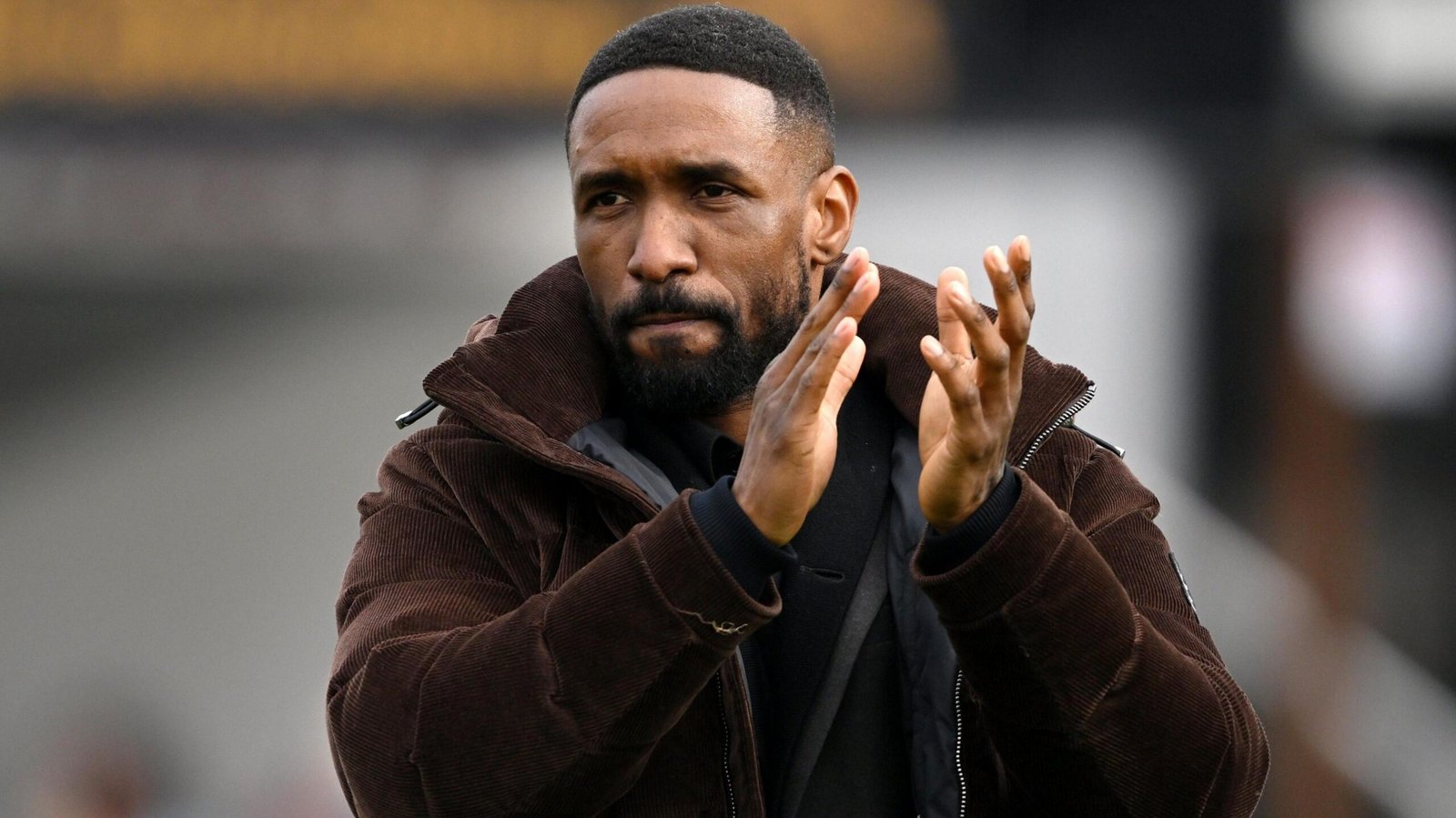
SHOCKING ANNOUNCEMENT: Wolverhamptom wanders FC Forward Tolu Arokodare has been banned and suspended from sport activities as he was tested positive of….see more

In this fictional account, the announcement came during a press conference held at the club’s training facility. Representatives emphasized that the suspension was precautionary and that a full investigation would be conducted before any final conclusions were reached. They stressed that all athletes are entitled to due process and that no definitive judgment should be made until all evidence has been reviewed.
The imagined development immediately became one of the biggest stories in football. Supporters who had followed Arokodare’s rise through the professional ranks expressed shock and disbelief. Many pointed out his reputation for hard work, dedication, and professionalism throughout his career. Others urged caution, reminding fellow fans that anti-doping procedures are complex and that initial findings do not always result in confirmed violations.
In the fictional scenario, Wolverhampton Wanderers released a brief statement acknowledging the situation. The club stated that it remained committed to the principles of fairness, transparency, and integrity while cooperating fully with the relevant sporting authorities. Club officials declined to provide further details, citing ongoing investigative procedures.
The news had a significant impact on the team’s preparations for upcoming fixtures. Coaches were forced to reconsider tactical plans, while teammates faced difficult questions from reporters. The absence of a key attacking player created uncertainty around the club’s short-term ambitions. Analysts speculated about possible replacement options and discussed how the team might adapt should the suspension continue for an extended period.
Fans reacted with a mixture of emotions. Some expressed disappointment and concern, while others rallied behind the player, calling for patience until the investigation reached its conclusion. Social media platforms were flooded with messages of support, criticism, speculation, and debate. Hashtags related to the fictional case quickly became trending topics in several countries.
Sports law experts featured prominently in media discussions. In this fictional narrative, they explained the procedures typically followed in anti-doping cases. These experts noted that athletes generally have the right to request additional testing and review processes. They emphasized that investigations often involve examining medical records, nutritional supplements, and other factors that could potentially influence test results.
The story also reignited broader conversations about anti-doping measures in professional football. Commentators discussed the importance of maintaining clean competition while ensuring that athletes receive fair treatment throughout investigative processes. Some argued that sports organizations should improve education programs regarding supplements and medications. Others highlighted the need for consistent standards across leagues and competitions.
Meanwhile, fictional reports suggested that Arokodare himself was shocked by the development. Sources close to the player claimed he strongly denied knowingly violating any anti-doping regulations and pledged full cooperation with investigators. According to these imagined reports, he remained confident that the truth would eventually emerge through the official review process.
As days passed in the fictional storyline, football supporters continued to follow every development closely. Television networks dedicated extensive coverage to the case, while newspapers published daily updates and opinion pieces. Former players weighed in with their perspectives, often emphasizing the emotional toll that such investigations can have on athletes and their families.
The uncertainty surrounding the situation began affecting various aspects of club operations. Sponsors reportedly sought clarification regarding the circumstances, while supporters questioned what the long-term implications might be. Financial analysts even speculated about potential impacts on player valuations and future transfer activity.
Within the dressing room, teammates faced the challenge of maintaining focus despite constant media attention. Coaches encouraged players to concentrate on training and match preparation rather than external distractions. Nevertheless, the fictional controversy remained a dominant topic in football conversations worldwide.
Several weeks later in the imagined narrative, investigators continued reviewing evidence. Experts noted that anti-doping inquiries often require considerable time and attention to detail. Every aspect of the case was reportedly being examined carefully to ensure a fair and accurate outcome.
Throughout the process, discussions emerged regarding the pressure professional athletes face. Many observers argued that modern footballers operate under intense scrutiny both on and off the pitch. Even unconfirmed allegations can have significant effects on reputations, careers, and personal well-being. This fictional case became a focal point for broader conversations about media responsibility and the importance of avoiding premature conclusions.
Youth coaches and sports educators also used the fictional story as an opportunity to discuss ethics in sport. They emphasized the importance of integrity, accountability, and adherence to competition rules. At the same time, they reminded young athletes that fairness requires waiting for complete facts before making judgments about any individual.
As speculation intensified, football authorities repeatedly urged patience. Officials stressed that investigations exist to determine facts rather than satisfy public curiosity. They encouraged supporters, journalists, and commentators to avoid spreading rumors or misinformation while the process remained ongoing.
The fictional article’s turning point arrived when investigators announced that they were nearing the completion of their review. Anticipation grew across the football community. Supporters hoped for clarity, while analysts prepared to examine the implications of whatever outcome might emerge.
Regardless of the eventual result in this fictional scenario, the case served as a reminder of the challenges facing modern professional sports. Anti-doping programs play a vital role in protecting fair competition, yet investigations must also respect the rights and dignity of athletes. Striking the correct balance remains one of the most important responsibilities of sporting authorities.
In the end, the fictional story highlighted the power of public perception, the speed of modern media, and the importance of due process. Whether discussing athletes, clubs, or sporting organizations, responsible reporting requires careful attention to facts and evidence. Until investigations are complete, assumptions can easily lead to misunderstanding and unfair judgments.










Post Comment