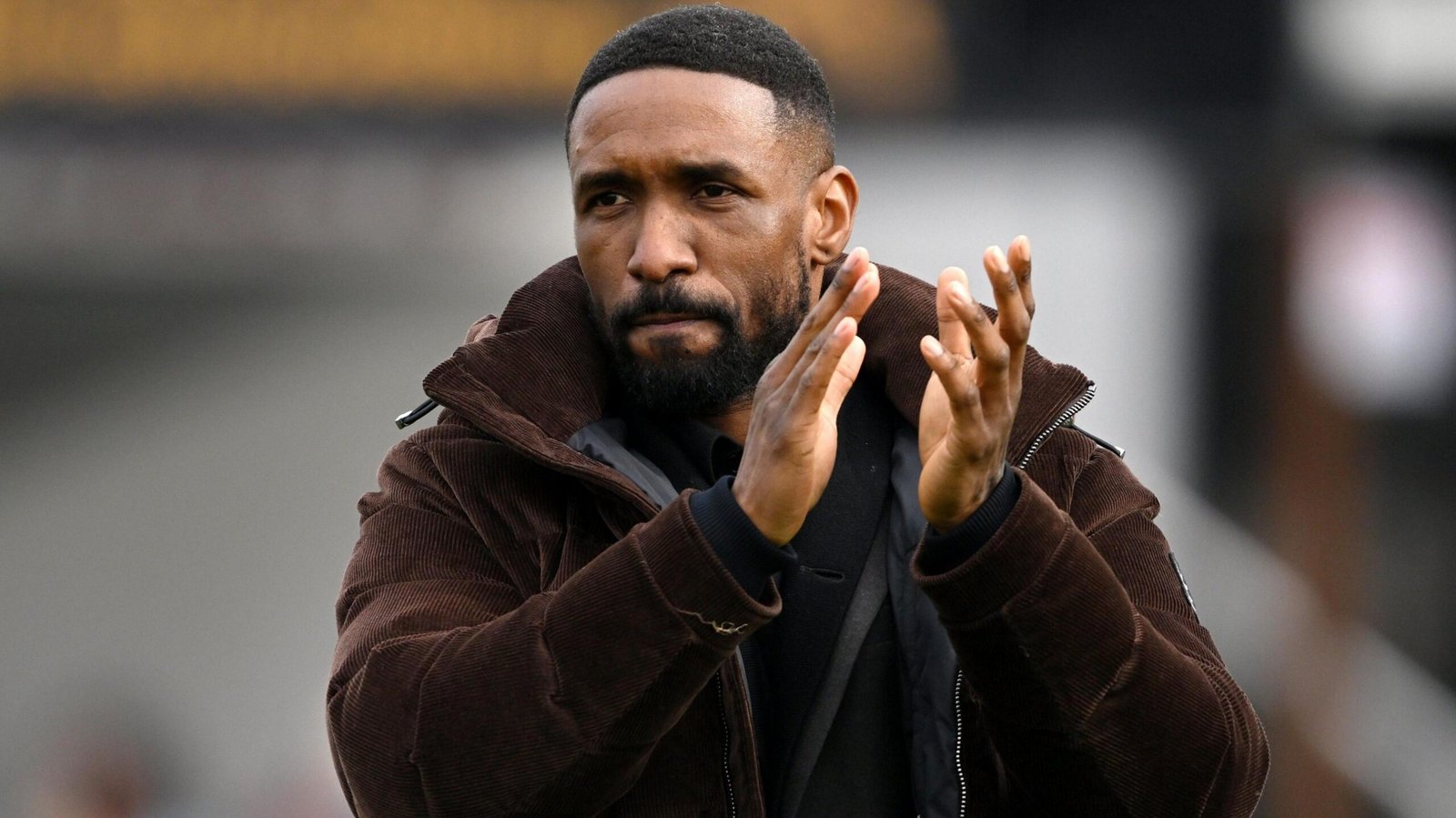
BOMBSHELL ANNOUNCEMENT: Leeds United FC second goalkeeper Karl Darlow reportedly filed divorce with his wife Junéve Darlow and explain on social media that she has been sleeping with team….see more

The situation serves as another example of how quickly rumors can spread in the digital age. Within hours of the claims appearing online, thousands of users had reacted, shared opinions, and speculated about the circumstances surrounding the reports. Yet many of the posts lacked credible sourcing or verifiable evidence.
Public figures, particularly professional athletes, often find themselves at the center of intense public attention. Their performances on the field, career decisions, and even aspects of their private lives can become subjects of public discussion. However, the widespread interest in celebrities and sports stars does not eliminate the need for responsible reporting and careful fact-checking.
Media experts frequently warn against accepting viral social media claims at face value. Information can be shared rapidly, sometimes without verification, leading to misinformation and confusion. Screenshots, anonymous posts, and unconfirmed reports may appear convincing but often fail to meet journalistic standards for accuracy and reliability.
Professional journalism relies on several key principles before publishing sensitive stories. These include verifying information through multiple independent sources, seeking comment from the individuals involved, reviewing documentary evidence where available, and providing context that helps audiences understand the facts. Without these safeguards, inaccurate information can spread and potentially harm the reputations of those involved.
The growing influence of social media has transformed the way news is consumed. While platforms provide immediate access to information and allow fans to engage directly with developments involving their favorite teams and players, they also create an environment where speculation can sometimes be mistaken for confirmed news.
For football clubs, managing rumors can be particularly challenging. Teams often focus on maintaining stability and professionalism while avoiding unnecessary distractions. Players and coaching staff generally prefer to keep personal matters private unless they choose to address them publicly.
Leeds United remains one of England’s most closely followed football clubs, attracting significant media attention both domestically and internationally. As a result, stories involving players associated with the club can quickly gain traction online, regardless of whether the information has been independently verified.
The current discussion surrounding Karl Darlow demonstrates why audiences should approach sensational headlines with caution. Headlines designed to generate clicks or emotional reactions may not always provide a complete or accurate picture of a situation. Readers are encouraged to consult reputable news organizations and official statements before drawing conclusions.
Experts also recommend examining the source of any claim before sharing it. Questions such as who published the information, whether evidence is provided, and whether other credible outlets have confirmed the report can help determine its reliability. In many cases, stories that appear dramatic or shocking may evolve significantly as additional facts emerge.
Privacy remains another important consideration. Even public figures retain rights regarding their personal and family lives. Responsible reporting seeks to balance public interest with respect for individual privacy and dignity. Speculation about personal relationships, especially when unsupported by evidence, can have consequences for those involved and their families.
As online discussions continue, observers will likely await any official comments or verified information that may clarify the situation. Until then, caution and critical thinking remain essential when evaluating claims circulating on social media.










Post Comment