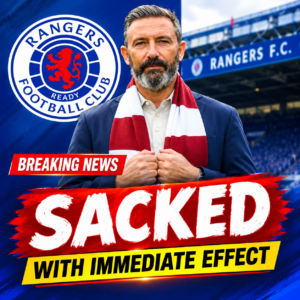
BOMBSHELL ANNOUNCEMENT: Rangers FC midfielder Connor Barron has been banned and suspended from sport activities as he was tested positive of….see more

Recently, a sensational headline circulating online suggested that Rangers midfielder Connor Barron had been “banned and suspended from sporting activities after testing positive for a banned substance.” However, there is currently no verified report from Rangers FC, the Scottish Football Association (SFA), UEFA, or any credible sports governing body confirming such a claim.
Despite this, the situation provides an opportunity to understand how professional football would actually respond if a case like this ever occurred.
—
The Rise of Viral Football Rumours
In today’s digital landscape, football news spreads rapidly through social media, blogs, and unofficial outlets. Players can become subjects of viral claims within minutes—whether accurate or not.
Young talents like Connor Barron, who have become important squad members at clubs like Rangers, often attract heightened attention. This makes them more vulnerable to online speculation, especially during periods of injury, rotation, or absence from match squads.
However, in professional sport, allegations involving doping or bans require strict verification from official governing bodies before being treated as fact.
—
How Doping Investigations Actually Work in Football
If a player were suspected of using a banned substance, the process would be highly structured and confidential at first.
Football operates under the World Anti-Doping Agency (WADA) code, and in Scotland, enforcement is carried out through national anti-doping organisations in coordination with the SFA.
A typical process includes:
1. Routine or targeted testing
Players are tested randomly during training or after matches.
Samples include urine and sometimes blood.
2. Laboratory analysis
Accredited labs examine “A” samples for prohibited substances.
3. Notification of adverse findings
If a positive result occurs, the player and club are notified confidentially.
4. B sample confirmation
The player has the right to request a second sample analysis.
5. Provisional suspension
In some cases, players may be temporarily suspended pending investigation.
6. Formal hearing
The governing body reviews evidence before issuing any final sanction.
At no stage would a confirmed punishment be announced without official statements from governing authorities.
—
What a Suspension Would Mean for a Player Like Barron
If a midfielder such as Connor Barron were ever officially found guilty of a doping violation, the consequences could be significant:
Immediate removal from all competitive matches
Suspension from training with the team (depending on ruling)
Damage to international career prospects
Potential long-term reputational impact
Contractual consequences depending on club policy
For a young player building his career at a club like Rangers, such an outcome would represent a major setback, both professionally and personally.
However, it is important to stress again: there is no credible evidence that such disciplinary action has taken place.
—
Rangers FC and Professional Conduct Standards
Rangers, like all top-tier football clubs, operate under strict professional and medical supervision. Players are subject to:
Regular medical evaluations
Nutritional and supplement monitoring
Anti-doping education programmes
Compliance checks aligned with SFA and UEFA standards
Clubs are typically very cautious about protecting players from accidental violations, such as contaminated supplements or unapproved medication.
This system significantly reduces the likelihood of serious anti-doping breaches going unnoticed or unaddressed.
—
The Impact of False or Unverified Claims
False reports about doping or bans can have serious consequences, including:
Harm to a player’s reputation
Misinformation spreading across fan communities
Unnecessary pressure on clubs and families
Legal risks for publishers of unverified claims
In football, where careers can be shaped by public perception, accuracy is essential.
This is why reputable sports outlets only report suspensions or doping cases once they are officially confirmed by governing bodies.
—
Connor Barron’s Actual Situation
As of available verified information, Connor Barron remains a Rangers FC midfielder who has been involved in squad rotations, injury recovery periods, and competitive fixtures in the Scottish Premiership.
He has been widely discussed for his development, work rate, and role within Rangers’ midfield structure rather than any disciplinary issues.









Post Comment