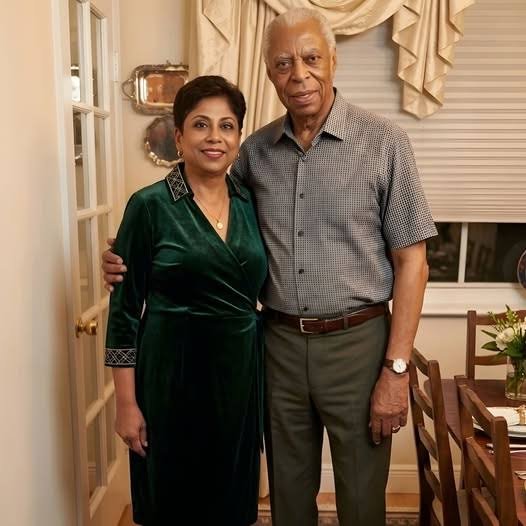
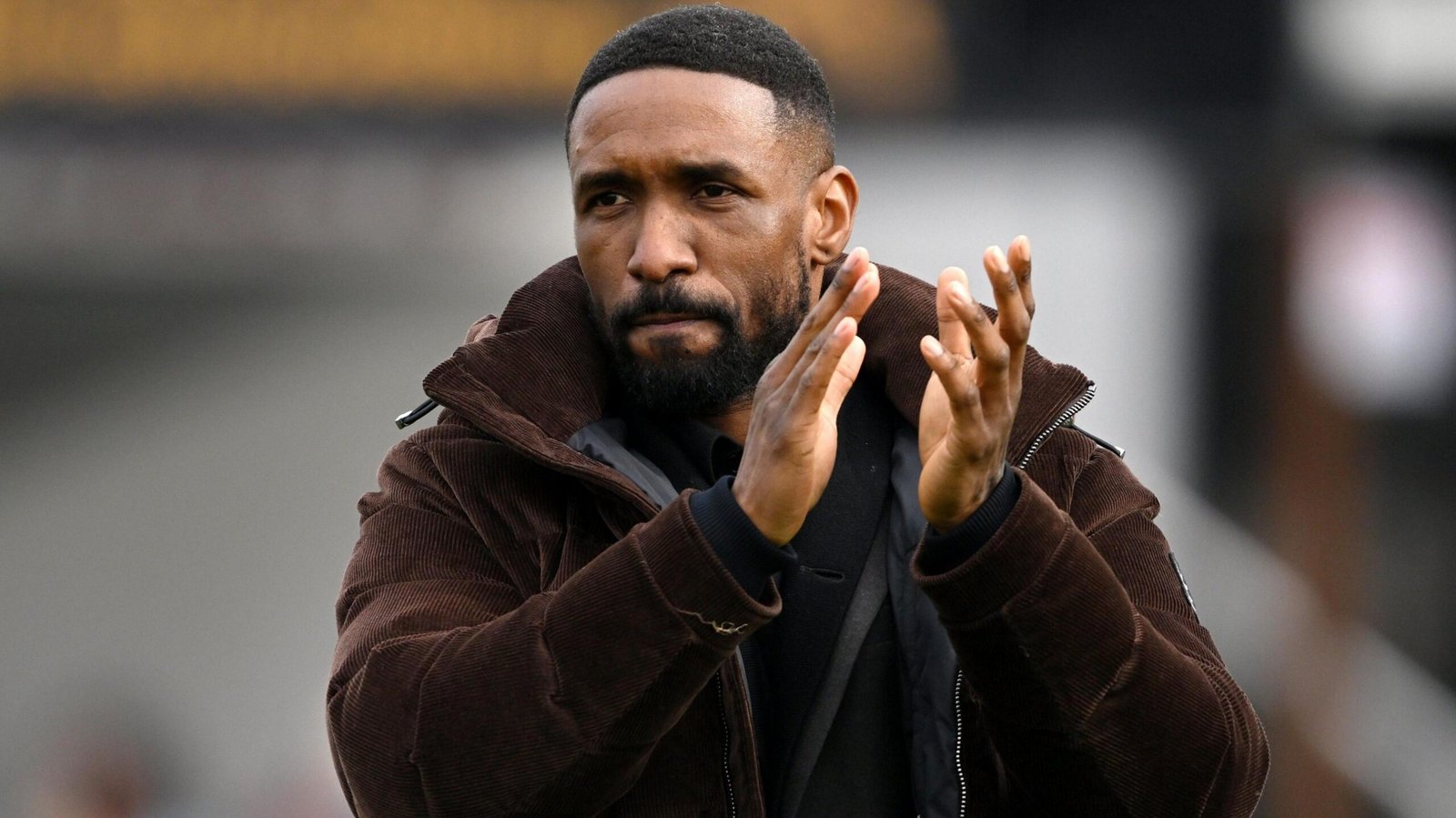
SHOCKING ANNOUNCEMENT: In the wake of a deeply personal announcement from Rangers FC forward James Tavernier and his wife Melissa Tavernier recently shared news regarding their personal circumstances, prompting a wave of empathy and encouragement from across the English premier League EPL. In a brief statement, the couple thanked supporters for their kindness and asked for privacy as they…..see more

James Tavernier, known for his professionalism and commitment on the pitch, has long been a pillar at Rangers. Since joining the club, he has not only demonstrated exceptional ability as a defender but has also evolved into a leader whose influence extends beyond football. His role as captain has seen him guide the team through both triumphs and setbacks, earning admiration from supporters and respect from opponents. However, this recent announcement serves as a reminder that even the most composed and focused athletes are not immune to life’s personal trials.
Melissa Tavernier, though less publicly visible, has been a constant presence of support in her husband’s life. The couple’s relationship, often described as grounded and resilient, has been admired by fans who appreciate glimpses of their family life shared on social media. Their joint statement reflects unity and mutual strength, suggesting that whatever challenges they are facing, they are confronting them together.
The response from the football world has been swift and compassionate. Messages of encouragement have poured in from current and former players, clubs, and fans across different leagues. Notably, several figures associated with the Premier League have taken to social platforms to express solidarity, reinforcing the idea that football, despite its competitive nature, remains a community bound by shared humanity.
Clubs and supporters alike have echoed a common sentiment: respect for the couple’s privacy and admiration for their courage in addressing the situation publicly, albeit briefly. In stadiums and online forums, conversations have shifted from tactics and results to empathy and support, illustrating how moments like these can unite people beyond the usual rivalries that define the sport.
This development also sheds light on the increasing awareness of mental and emotional well-being within professional sports. Over the past decade, there has been a growing recognition that athletes face pressures that extend far beyond the physical demands of the game. From intense media scrutiny to the expectations of millions of fans, the psychological toll can be significant. When personal challenges are added to this mix, the need for understanding and compassion becomes even more critical.
In recent years, several high-profile players have spoken openly about their struggles, helping to reduce stigma and encourage more supportive environments within clubs and fan communities. While James Tavernier has not disclosed the details of his situation, his decision to acknowledge it publicly—however briefly—contributes to this broader cultural shift. It signals that vulnerability is not a weakness but a natural part of the human experience.
For Rangers FC, the announcement comes at a time when stability and leadership are crucial. Tavernier’s presence on the field has been instrumental in the team’s performances, and any personal challenges he faces inevitably raise questions about potential impacts on his professional responsibilities. However, the club has shown a history of supporting its players during difficult times, and it is expected that they will extend the same understanding and flexibility in this situation.
Supporters of Rangers have also demonstrated remarkable solidarity. Many have taken to social media to share messages of encouragement, emphasizing that the well-being of the player and his family takes precedence over football. This reaction underscores the deep connection between the club and its fans—a relationship built not only on shared victories but also on mutual respect and care.
Beyond Scotland, the ripple effect of the announcement has been felt across the wider football landscape. The Premier League, often seen as the epicenter of global football attention, has played a significant role in amplifying the message of support. Players, pundits, and fans connected to the league have joined in expressing their well-wishes, highlighting the interconnected nature of modern football.
This collective response also reflects a broader societal shift in how public figures are perceived. There is an increasing recognition that athletes, despite their fame and success, are individuals with personal lives that deserve respect and privacy. The Taverniers’ request for space has been largely honored, with most discussions focusing on support rather than speculation—a positive sign in an era often characterized by intrusive media coverage.
As the couple navigates this period, their statement serves as both a boundary and an invitation: a boundary in terms of the privacy they seek, and an invitation for empathy and understanding from the public. It is a delicate balance, but one that has been handled with dignity and grace.
Looking ahead, it remains uncertain how this situation will evolve or whether further details will be shared. What is clear, however, is that James Tavernier and his wife have the support of a vast and diverse community. From the stands of Ibrox Stadium to fans watching from around the world, there is a shared hope that they will find strength and resolution in whatever challenges they are facing.
In the end, this “shocking announcement” is not about scandal or controversy, but about humanity. It is a reminder that behind every jersey number and captain’s armband is a person with a life beyond the pitch. And in moments like these, the true spirit of football is revealed—not in goals or trophies, but in compassion, unity, and respect.











Post Comment