ESPN CONFIRMED: Everton FC head coach David Moyes step down as head coach amid significant errors facing….see more
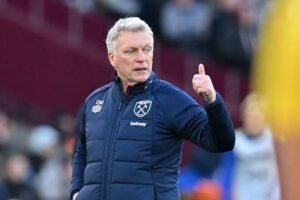
A Return That Promised Stability
When David Moyes returned to Goodison Park, there was a sense of nostalgia and cautious optimism among fans. Having previously managed Everton from 2002 to 2013, Moyes was seen as a figure capable of restoring discipline, structure, and identity to a club that has struggled for consistency in recent years.
Supporters hoped his experience and deep understanding of the club’s culture would provide a much-needed reset. However, what began as a hopeful reunion soon turned into a challenging spell marked by inconsistency, questionable decisions, and growing unrest both on and off the pitch.
The String of Errors That Led to His Exit
While no single moment defined Moyes’ downfall, a combination of recurring issues gradually eroded confidence in his leadership. Tactical rigidity became a frequent criticism, with fans and pundits alike pointing out his reluctance to adapt to modern, dynamic styles of play.
Several matches highlighted these concerns. Everton often struggled to maintain possession, lacked creativity in midfield, and appeared vulnerable defensively. Key substitutions were questioned, with some decisions seemingly backfiring at crucial moments. In multiple games, the team surrendered leads due to defensive lapses and poor game management.
Moreover, player selection became a contentious topic. Younger talents were often overlooked in favor of more experienced but underperforming players. This not only frustrated fans but also raised concerns about the club’s long-term development strategy.
Dressing Room Tensions
Behind the scenes, reports began to emerge of unrest within the dressing room. While David Moyes has always been known for his disciplined approach, some players reportedly found his methods outdated and overly rigid.
Sources close to the club suggested that communication breakdowns between the coaching staff and players contributed to a decline in morale. A lack of unity on the pitch reflected deeper issues within the squad, with visible frustration during matches becoming increasingly common.
Senior players were said to have held internal discussions about the team’s direction, signaling a loss of confidence in the manager’s ability to turn things around.
Fan Frustration Reaches Boiling Point
Everton supporters, known for their passionate backing, initially showed patience and support for Moyes. However, as results continued to disappoint, frustration began to grow.
Home games at Goodison Park saw audible discontent, with boos ringing out after poor performances. Social media platforms were flooded with criticism, as fans questioned the club’s tactical approach and decision-making.
Many supporters expressed disappointment not just with the results, but with the style of play. Everton’s lack of attacking flair and inability to dominate games made matches increasingly difficult to watch, further intensifying calls for change.
The Club’s Official Statement
In an official statement released by Everton FC, the club acknowledged Moyes’ departure and thanked him for his efforts during a challenging period:
> “We can confirm that David Moyes has stepped down from his role as head coach. We thank David for his dedication, professionalism, and commitment to Everton Football Club. He has always represented the values of this club with integrity. We wish him the very best in his future endeavors.”
The statement, while respectful, underscored the inevitability of the decision. It was clear that both parties recognized the need for a fresh start.
Moyes Breaks His Silence
Shortly after the announcement, David Moyes released a personal statement addressing fans and the football community.
He expressed gratitude for the opportunity to return to Everton, describing the club as “a special place” in his career. However, he also acknowledged the difficulties faced during his tenure:
> “It has been an incredibly tough decision to step down, but I believe it is the right one for the club at this time. I take full responsibility for the results and performances that have not met expectations. Everton deserves success, and I hope my departure allows the team to move forward positively.”
His words reflected both humility and an understanding of the situation, earning respect from many within the football world despite the circumstances of his exit.
What Went Wrong?
Analyzing Moyes’ tenure reveals several key factors that contributed to his downfall:
1. Tactical Limitations – His approach often appeared outdated in comparison to modern Premier League strategies, leaving Everton at a disadvantage against more dynamic opponents.
2. Inconsistent Results – A lack of consistency prevented the team from building momentum, with brief periods of improvement overshadowed by prolonged struggles.
3. Player Management Issues – Reports of dissatisfaction within the squad suggested a disconnect between the manager and his players.
4. External Pressure – The intense scrutiny from fans, media, and club executives created an environment where mistakes were magnified.
5. Failure to Adapt – Perhaps most critically, Moyes’ inability to evolve his tactics and approach ultimately cost him his position.
The Road Ahead for Everton
With Moyes’ departure, Everton FC now face a crucial transitional period. The search for a new head coach is already underway, with several names reportedly being considered.
The club’s priority will be to appoint a manager who can not only deliver results but also implement a clear and modern footballing philosophy. Stability remains a key objective, but there is also a growing demand for progress and innovation.
In the short term, an interim manager is expected to take charge, tasked with steadying the ship and improving performances while the club evaluates long-term options.
Impact on the Squad
Moyes’ departure could serve as a turning point for the Everton squad. Players who struggled under his system may find renewed confidence under new leadership, while younger talents could be given more opportunities to shine.
The change also presents a chance to rebuild team morale and unity. A fresh approach in training, tactics, and communication could reinvigorate a squad that has shown glimpses of potential but lacked consistency.
A Legacy Complicated by Circumstance
Despite the challenges of his recent tenure, David Moyes remains an important figure in Everton’s history. His earlier spell at the club was marked by stability and competitiveness, earning him respect and admiration from supporters.
However, his latest chapter will be remembered as a difficult period, highlighting the challenges of returning to a club under vastly different circumstances.
Football, as always, is unforgiving. Past success does not guarantee future results, and even experienced managers can struggle to adapt to evolving demands.
.



Post Comment