IT IS OVER: F.C. Porto manager Francesco Farioli has submitted his resignation letter due to the….. see more
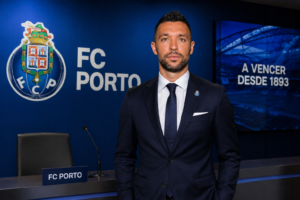
The reported resignation has sent shockwaves through the Porto fanbase, with supporters now waiting for clarity from the club regarding the manager’s future and who could potentially take charge of the team.
Farioli arrived with the ambition of establishing a clear identity at Porto and leading the club into another successful period. His tactical ideas, emphasis on organization and desire to build a competitive squad quickly made him a central figure in the club’s sporting project.
However, football management at a club of Porto’s stature comes with enormous expectations. Every result is closely examined, and any period of inconsistency can create significant pressure on the coaching staff. The situation surrounding Farioli appears to have reached a critical point, with reports suggesting that the manager has decided to step away rather than continue under increasingly difficult circumstances.
The resignation, if formally confirmed by the club, would represent a major development for Porto. A managerial departure during an important stage of the campaign can create uncertainty throughout the squad, particularly when players have already adapted to a particular tactical system and training methodology.
Farioli’s approach has been built around discipline, structure and collective responsibility. His teams are generally expected to remain compact without the ball while showing greater intensity and creativity when possession is recovered. Implementing such ideas at a major European club requires time, patience and strong support from everyone inside the organization.
The biggest question now is what caused the reported resignation.
Several factors could potentially have contributed to the situation, including pressure over results, disagreements regarding sporting decisions, expectations surrounding recruitment, squad management or differences over the club’s long-term direction. At this stage, however, the exact reason should be treated as unconfirmed until Porto or Farioli provides an official explanation.
For Porto supporters, the news is understandably concerning. The club is accustomed to competing for major domestic trophies and maintaining a strong presence in European football. A sudden managerial change could therefore have consequences beyond the touchline.
Players will also be watching developments closely. A change of coach can affect playing time, tactical roles and the future plans of individuals within the squad. Some players may benefit from a new manager, while others could find themselves facing a completely different tactical system.
The Porto hierarchy will now have an important decision to make. If Farioli’s resignation is accepted, the club must determine whether to appoint an interim coach or immediately begin the search for a permanent replacement.
Any new manager would inherit significant responsibility. The next appointment would need to understand the club’s history and expectations while also possessing the tactical ability to compete at the highest level.
There will also be questions about whether the club can convince Farioli to reconsider his decision. In football, reported resignations do not always result in an immediate departure. Negotiations between managers and club officials can sometimes lead to compromises, particularly when both sides believe the original project can still succeed.
For now, though, the atmosphere around Porto is one of uncertainty.
Supporters will be hoping for an official statement that explains exactly what has happened and provides reassurance about the club’s plans. Until that announcement arrives, speculation is likely to continue surrounding Farioli’s position and the identity of a possible successor.
What is clear is that the reported resignation has created a major storyline at F.C. Porto. Whether this becomes the final chapter of Farioli’s time at the club or the beginning of negotiations to resolve the situation remains to be seen.
IT IS OVER? Porto now faces a crucial moment, and the club’s next decision could shape its sporting direction for months to come. If Farioli ultimately leaves, the search for his replacement will immediately become one of the biggest talking points surrounding the Portuguese giants.
This article is written as a transfer/football-news style report based on the scenario provided. The resignation should be treated as unconfirmed unless officially announced by F.C. Porto or Francesco Farioli.








Post Comment